Landscape Installation and Maintenance in University Park, TX
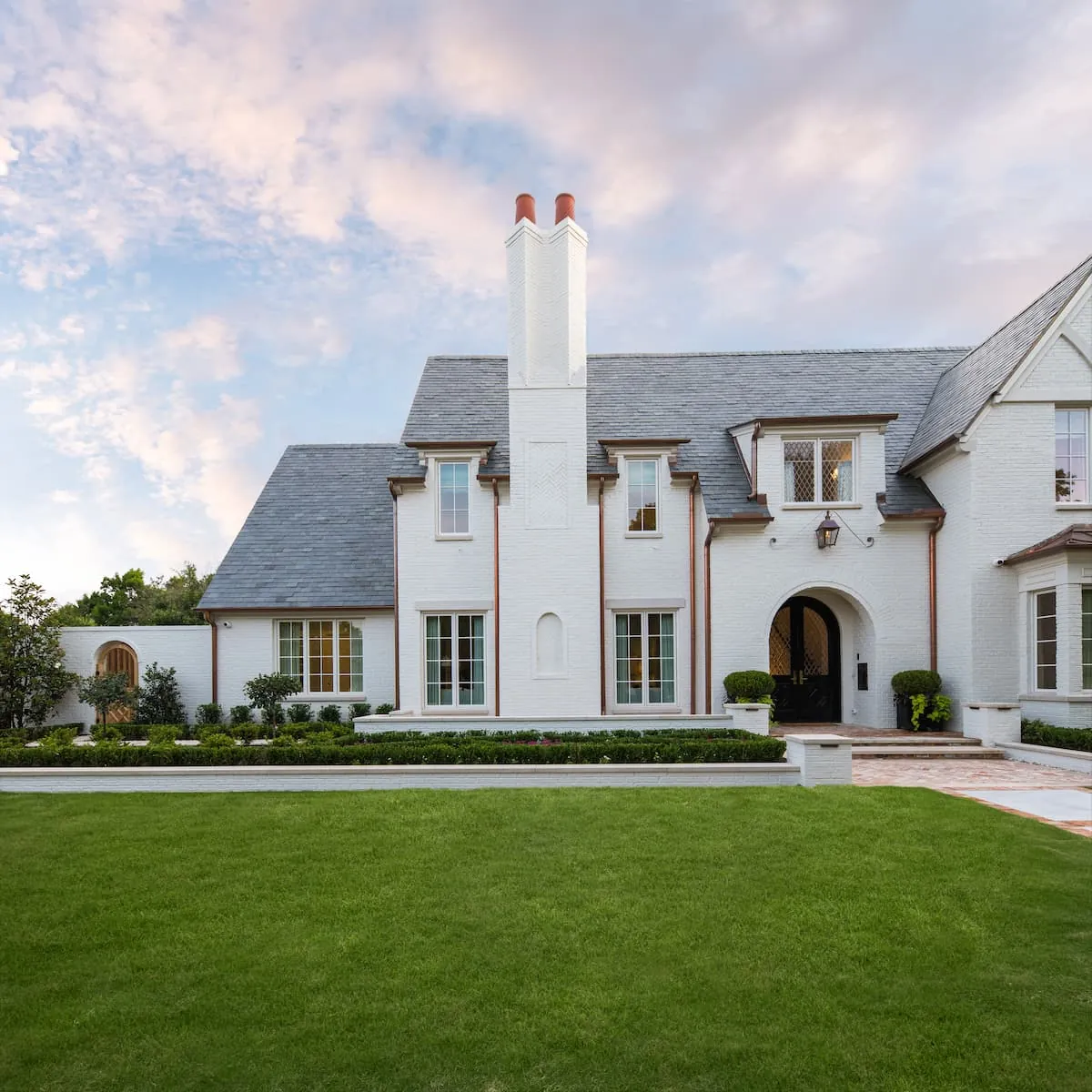
University Park is one of the most architecturally consistent residential markets in the Dallas-Fort Worth metroplex. From the estates along Southwestern Boulevard to the streets around Snider Plaza and the homes near SMU, the standards are visible at curb level — and a yard that doesn't match the property is visible too. Mature oak canopy, expansive clay soil, drought-restriction summers, and the level of detail expected here make landscape installation a different kind of project than it is in newer DFW developments.
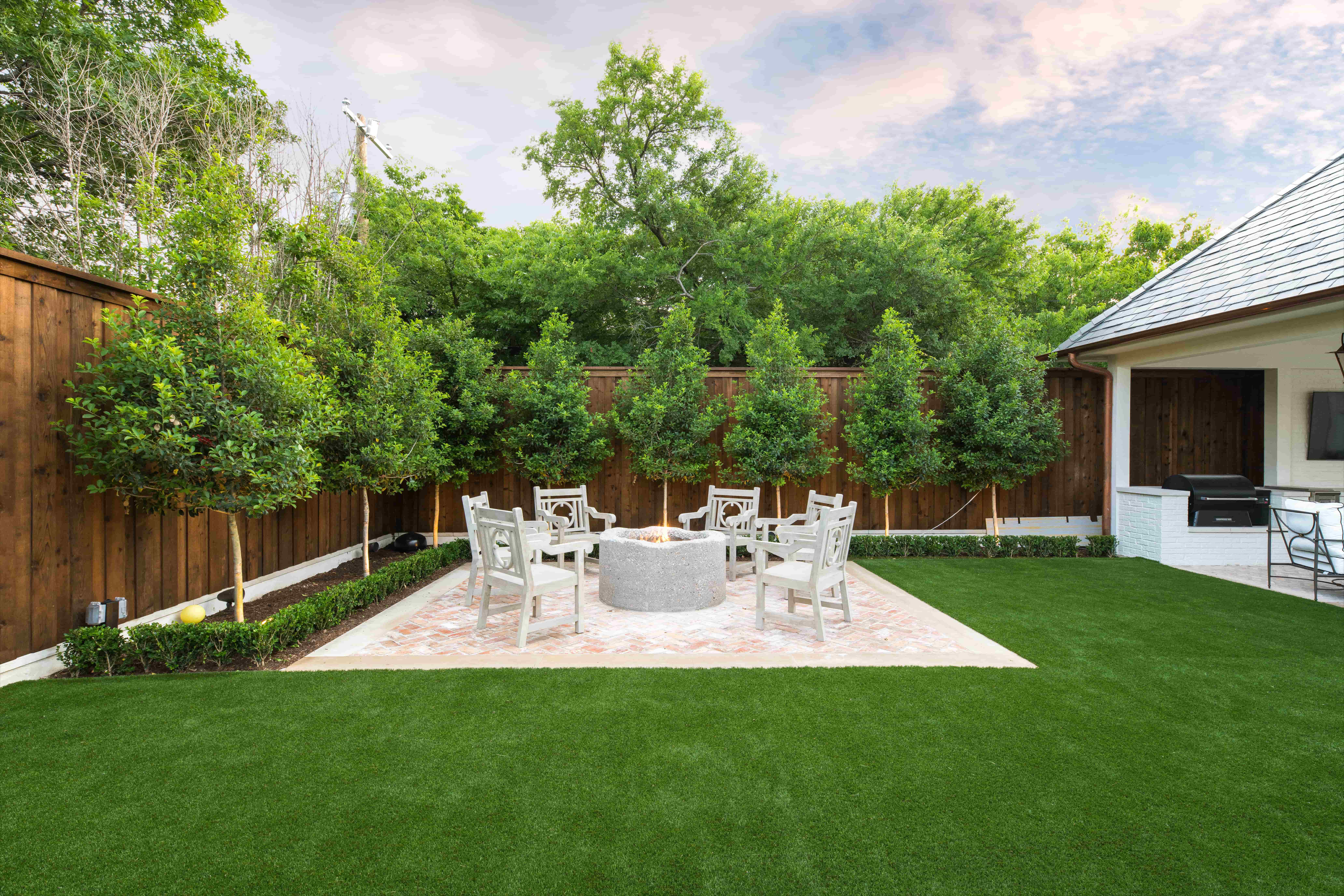
Outdoor Concepts handles the installation, drainage, turf, irrigation, plantings, and ongoing maintenance side of University Park yards — the work that determines whether a finished landscape holds its standard or starts to look worn within a few seasons.
To talk through a project, request a consultation or call (214) 945-2920.
What Does Landscape Work in University Park Actually Look Like?
Outdoor Concepts's service set for University Park homes is built around the conditions on most properties — heavy tree canopy, expansive clay soil, water cycling near the foundation, and high standards for finish.
For homeowners moving away from natural grass on shaded lots where lawns thin out and stay thin, synthetic turf installation in University Park is the permanent solution. The full synthetic turf service includes engineered base preparation, drainage integration, and product selection for the property.
For properties with standing water, pooling against the foundation, or sod failure in the same low areas every season, drainage installation addresses the conditions before surface work begins. Our recent piece on what actually fixes flooding in a DFW yard walks through the full approach.
For full-yard projects, landscape installation coordinates grading, drainage, irrigation, plantings, sod, and seasonal color as one sequenced build. Year-round upkeep is handled through landscape maintenance — important for installations whose first-year care defines how the property looks for the next decade.
Why Are University Park Yards Harder Than They Look?
Three structural conditions make University Park installations more challenging than newer DFW developments, and all three compound each other.
The first is the tree canopy. The mature live oaks across University Park create shade where natural grass thins and rarely fully recovers. The same root systems that built the canopy also affect what can be installed above them.
The second is the soil. University Park sits on the deep expansive clay that drives foundation movement throughout DFW. Clay drains slowly and shifts with moisture cycling. On level lots, water collects and stays. Without grading and drainage corrections, plantings and turf struggle in year one.
The third is water-restriction compliance. Dallas restrictions limit when natural lawns can be irrigated, and the irrigation calendar that worked five summers ago doesn't always work today. Synthetic turf and properly zoned irrigation are both responses — different solutions for different properties.
How Does Outdoor Concepts Sequence a University Park Project?
Every full installation starts below the visible surface. Site evaluation establishes existing grade, drainage path, irrigation condition, and any plant material to preserve. Grading and drainage corrections happen first — before irrigation, turf, sod, or plantings. Once the base is right, irrigation zones are designed to match actual sun and shade across the yard, then surface work goes in on top. The order is what separates an installation that performs in year three from one that doesn't. Completed work in the area is in our project gallery, including the University Park full landscape build.
Frequently Asked Questions About Landscape Work in University Park, TX
How do you handle shade from University Park's mature trees?
Shade is the largest variable on most University Park installations. For properties where natural grass continues to fail under canopy, synthetic turf is the solution that performs identically in full shade. For properties keeping natural grass, plantings, sod, and irrigation zones are matched to actual sun exposure — shade-tolerant species in low-sun beds, established sod varieties in higher-sun zones — rather than applying a single planting plan across the whole yard.
What does the project sequence look like for a full University Park yard?
Site evaluation first, then grading and drainage corrections, then irrigation, then surface work — sod, turf, plantings, seasonal color. Each phase depends on the one before it. Skipping or shortcutting grading is the most common cause of installations that fail within one or two seasons regardless of the quality of the plantings or turf on top.
Can you work around existing landscape on a University Park renovation?
Yes. Many University Park projects are partial renovations rather than full installs — replacing a failed sod area with synthetic turf, adding drainage to a problem corner, or rebuilding a planting bed without touching the rest of the yard. Site evaluation determines what stays and what gets rebuilt.
When you're ready, request a consultation or call (214) 945-2920.
University Park is one of the most architecturally consistent residential markets in the Dallas-Fort Worth metroplex. From the estates along Southwestern Boulevard to the streets around Snider Plaza and the homes near SMU, the standards are visible at curb level — and a yard that doesn't match the property is visible too. Mature oak canopy, expansive clay soil, drought-restriction summers, and the level of detail expected here make landscape installation a different kind of project than it is in newer DFW developments.
Outdoor Concepts handles the installation, drainage, turf, irrigation, plantings, and ongoing maintenance side of University Park yards — the work that determines whether a finished landscape holds its standard or starts to look worn within a few seasons.
To talk through a project, request a consultation or call (214) 945-2920.
What Does Landscape Work in University Park Actually Look Like?
Outdoor Concepts's service set for University Park homes is built around the conditions on most properties — heavy tree canopy, expansive clay soil, water cycling near the foundation, and high standards for finish.
For homeowners moving away from natural grass on shaded lots where lawns thin out and stay thin, synthetic turf installation in University Park is the permanent solution. The full synthetic turf service includes engineered base preparation, drainage integration, and product selection for the property.
For properties with standing water, pooling against the foundation, or sod failure in the same low areas every season, drainage installation addresses the conditions before surface work begins. Our recent piece on what actually fixes flooding in a DFW yard walks through the full approach.
For full-yard projects, landscape installation coordinates grading, drainage, irrigation, plantings, sod, and seasonal color as one sequenced build. Year-round upkeep is handled through landscape maintenance — important for installations whose first-year care defines how the property looks for the next decade.
Why Are University Park Yards Harder Than They Look?
Three structural conditions make University Park installations more challenging than newer DFW developments, and all three compound each other.
The first is the tree canopy. The mature live oaks across University Park create shade where natural grass thins and rarely fully recovers. The same root systems that built the canopy also affect what can be installed above them.
The second is the soil. University Park sits on the deep expansive clay that drives foundation movement throughout DFW. Clay drains slowly and shifts with moisture cycling. On level lots, water collects and stays. Without grading and drainage corrections, plantings and turf struggle in year one.
The third is water-restriction compliance. Dallas restrictions limit when natural lawns can be irrigated, and the irrigation calendar that worked five summers ago doesn't always work today. Synthetic turf and properly zoned irrigation are both responses — different solutions for different properties.
How Does Outdoor Concepts Sequence a University Park Project?
Every full installation starts below the visible surface. Site evaluation establishes existing grade, drainage path, irrigation condition, and any plant material to preserve. Grading and drainage corrections happen first — before irrigation, turf, sod, or plantings. Once the base is right, irrigation zones are designed to match actual sun and shade across the yard, then surface work goes in on top. The order is what separates an installation that performs in year three from one that doesn't. Completed work in the area is in our project gallery, including the University Park full landscape build.
Frequently Asked Questions About Landscape Work in University Park, TX
How do you handle shade from University Park's mature trees?
Shade is the largest variable on most University Park installations. For properties where natural grass continues to fail under canopy, synthetic turf is the solution that performs identically in full shade. For properties keeping natural grass, plantings, sod, and irrigation zones are matched to actual sun exposure — shade-tolerant species in low-sun beds, established sod varieties in higher-sun zones — rather than applying a single planting plan across the whole yard.
What does the project sequence look like for a full University Park yard?
Site evaluation first, then grading and drainage corrections, then irrigation, then surface work — sod, turf, plantings, seasonal color. Each phase depends on the one before it. Skipping or shortcutting grading is the most common cause of installations that fail within one or two seasons regardless of the quality of the plantings or turf on top.
Can you work around existing landscape on a University Park renovation?
Yes. Many University Park projects are partial renovations rather than full installs — replacing a failed sod area with synthetic turf, adding drainage to a problem corner, or rebuilding a planting bed without touching the rest of the yard. Site evaluation determines what stays and what gets rebuilt.
When you're ready, request a consultation or call (214) 945-2920.