University Park Landscaping: What Homeowners Get Right
Tips
5 Min Read
Mature trees, clay soil, and tight lots make University Park landscaping different. Here's what the best yards have in common — and how to get your property there.
More Articles


Ready to have a flawless yard?
Book a consultation
Call/Text
University Park yards that look right have something in common — and it isn't the size of the budget. The properties in this neighbourhood that hold up year after year, that look intentional rather than assembled, share a set of decisions made early in the design process. They account for the mature trees that have been growing on those lots for forty or fifty years. They treat the clay soil as a design constraint rather than something to work around later. And they approach drainage before the first plant goes in, not as an afterthought when the beds start flooding after a summer storm. If you're thinking seriously about a landscape project in University Park, understanding what experienced homeowners get right is the most useful place to start.
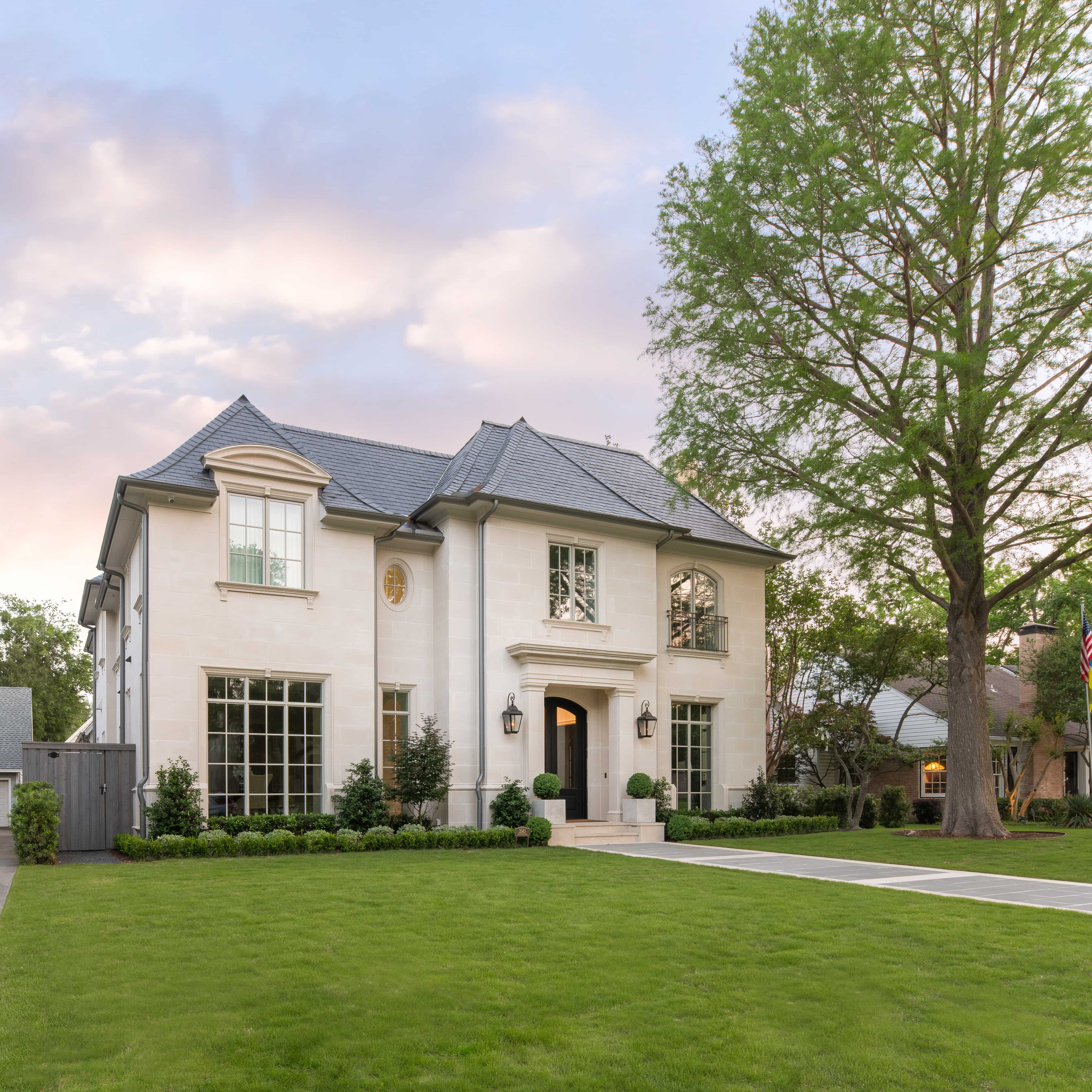
Outdoor Concepts works in University Park and throughout the Park Cities. To learn about the full scope of what we do in this area, visit our University Park service area page or call (214) 814-1081 to schedule a site consultation.
Why Does Landscaping in University Park Require a Different Approach?
University Park is not a generic DFW suburb. The lots are established — most of the residential streets were built out decades ago, which means the trees, the soil profile, and the drainage patterns are already set. A live oak or post oak that has been growing in a front yard for thirty years is not background scenery; it is the structural centrepiece of the entire property, and every landscaping decision downstream of it should reflect that.
The lots themselves are smaller than many newer DFW developments. That constraint actually raises the stakes on every square foot — there is less room to hide a mediocre planting decision or a drainage problem that hasn't been fully resolved. In a neighbourhood where curb standards are as high as they are in University Park, a yard that's merely adequate reads as neglected. The margin between a yard that fits the street and one that doesn't is narrower here than almost anywhere else in Dallas.
Then there is the soil. Expansive clay is the underlying reality across most of Dallas, but in established University Park neighbourhoods it has been compacted, disturbed by decades of tree root activity, and layered with decomposed organic matter in ways that vary block to block. It drains slowly, holds water against foundations, and expands and contracts with seasonal moisture swings in ways that destabilise poorly prepared planting beds. Any landscape project that treats the soil as a neutral medium rather than an active variable will show its problems within the first few years.
What Do the Best University Park Landscape Builds Have in Common?
Looking across completed projects in University Park — including a full-property build, a southwestern landscape build, and an oak-preserve remodel — three principles consistently separate the results that hold up from the ones that require ongoing correction.
1. They Work With the Canopy, Not Against It
Mature trees define what is possible in a University Park yard. The canopy determines which sections receive full sun, which live in deep shade, and which shift with the season. Homeowners who get this right resist the impulse to install sun-loving plants underneath an oak just because those plants look good in a nursery. Instead, they read the light conditions carefully and select groundcovers, grasses, and low-maintenance plants that are actually suited to what the canopy allows. In heavily shaded areas — particularly narrow side yards and sections close to the trunk — synthetic options become practical where planted material simply won't perform. More on that below.
2. They Resolve Drainage Before Planting Anything
This is the decision that separates landscape projects that age well from ones that develop problems in year two or three. University Park's clay soil means water moves slowly. On a lot with even a slight grade toward the foundation — which is common on older lots where settling has altered the original grade over decades — that slow movement becomes a foundation risk and a planting bed problem simultaneously. Homeowners who get this right treat drainage as part of the landscape design itself, not a separate drainage-contractor conversation to have later. The drainage systems that work best in this context are designed alongside the planting plan so that water is directed correctly from the start. The deeper question of why drainage problems recur and what actually fixes them in DFW clay conditions is covered in detail in our post on how DFW drainage problems actually get fixed.
3. They Choose Materials That Age on the Street
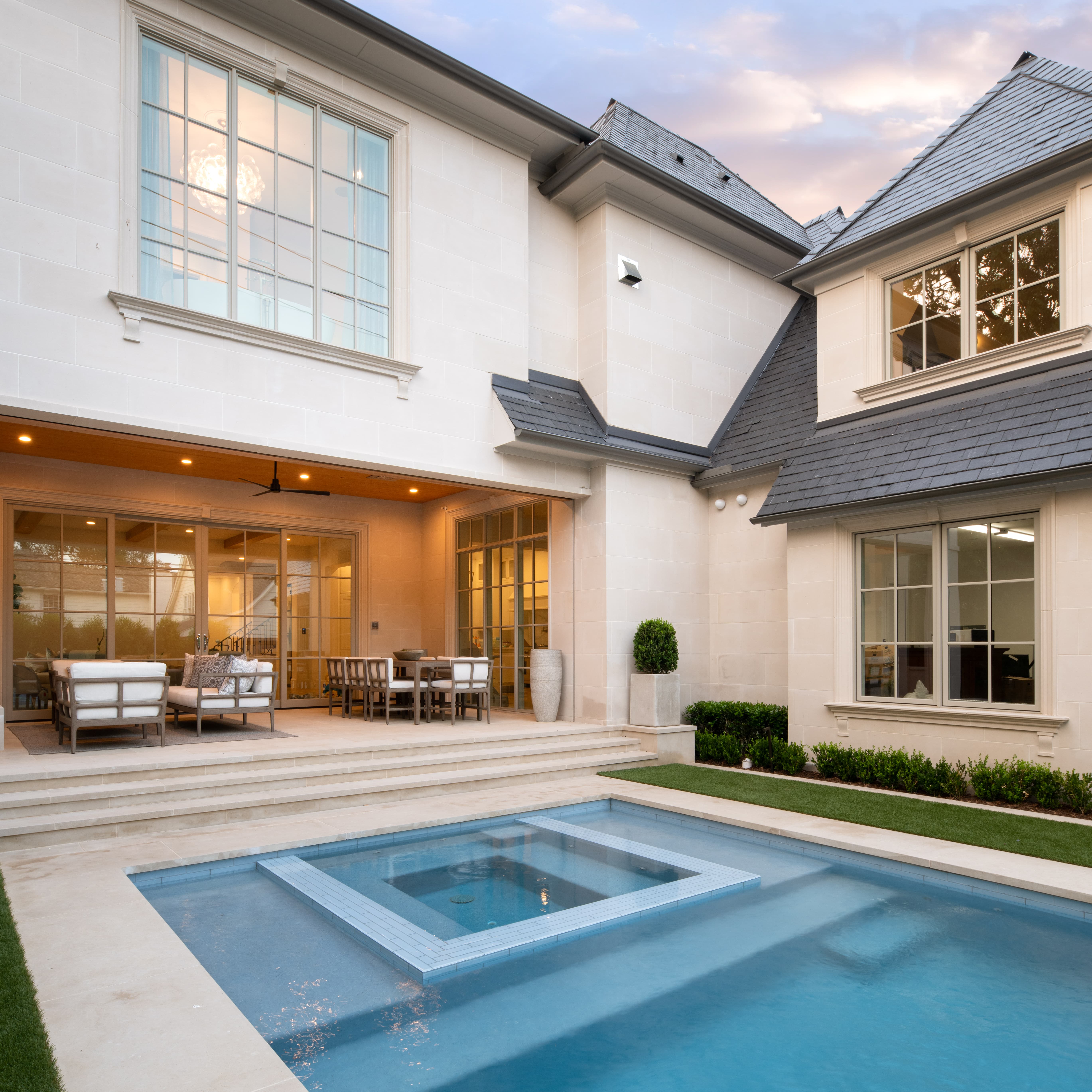
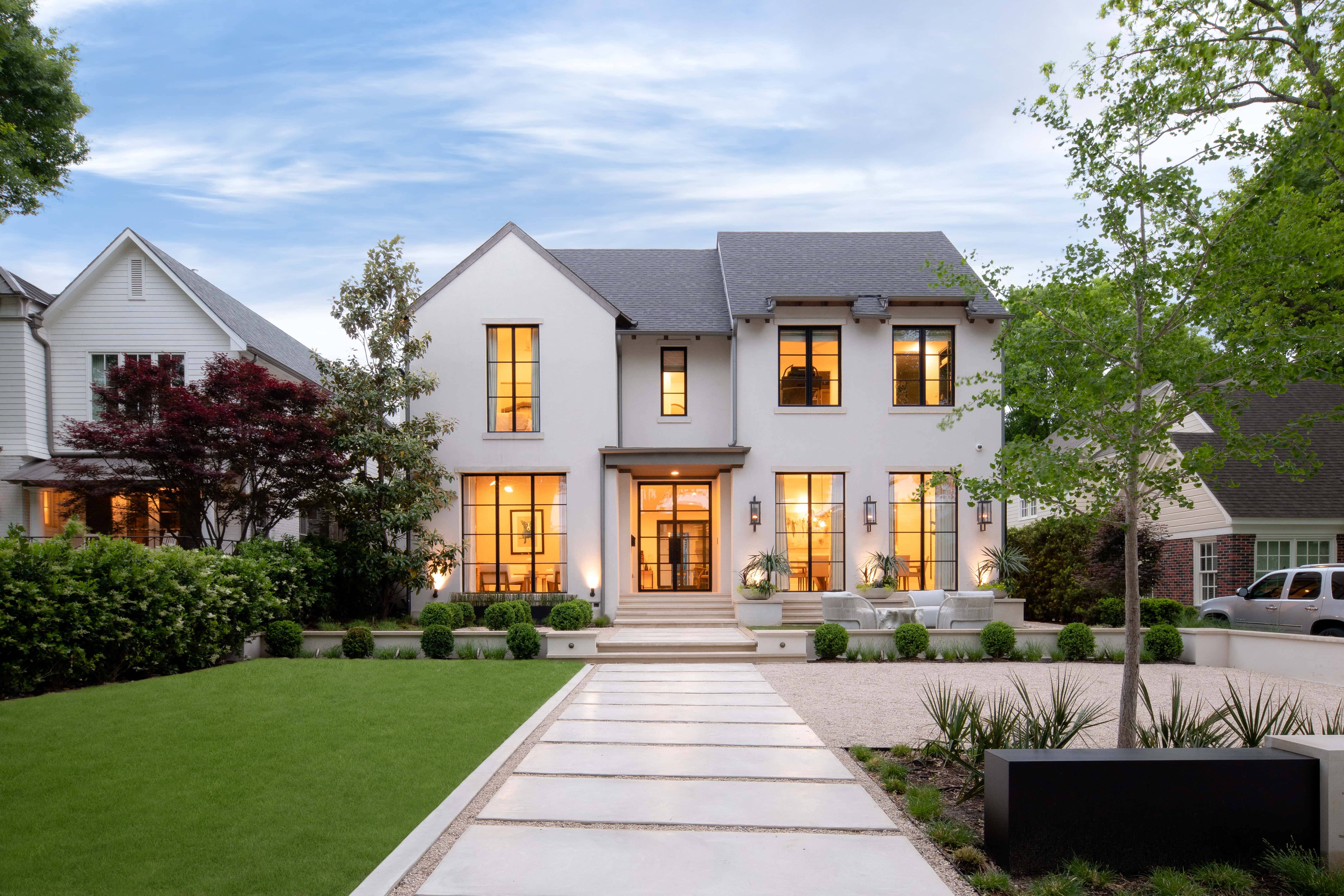
University Park has a visual register. The materials that look right — the stone edging, the mulch depths, the pavement choices — are consistent enough across the neighbourhood that a yard using out-of-character materials reads as jarring even when the individual elements are high quality. Experienced homeowners take note of what the surrounding properties are doing before making material decisions, not to copy them, but to understand the aesthetic context their yard lives in. The landscape installation choices that tend to age best in this market are those with natural textures and muted tones — gravel and decomposed granite, native or adapted plantings, and low-profile bed edging that frames the lawn without overpowering it.
Where Does Synthetic Turf Fit in University Park Landscaping?
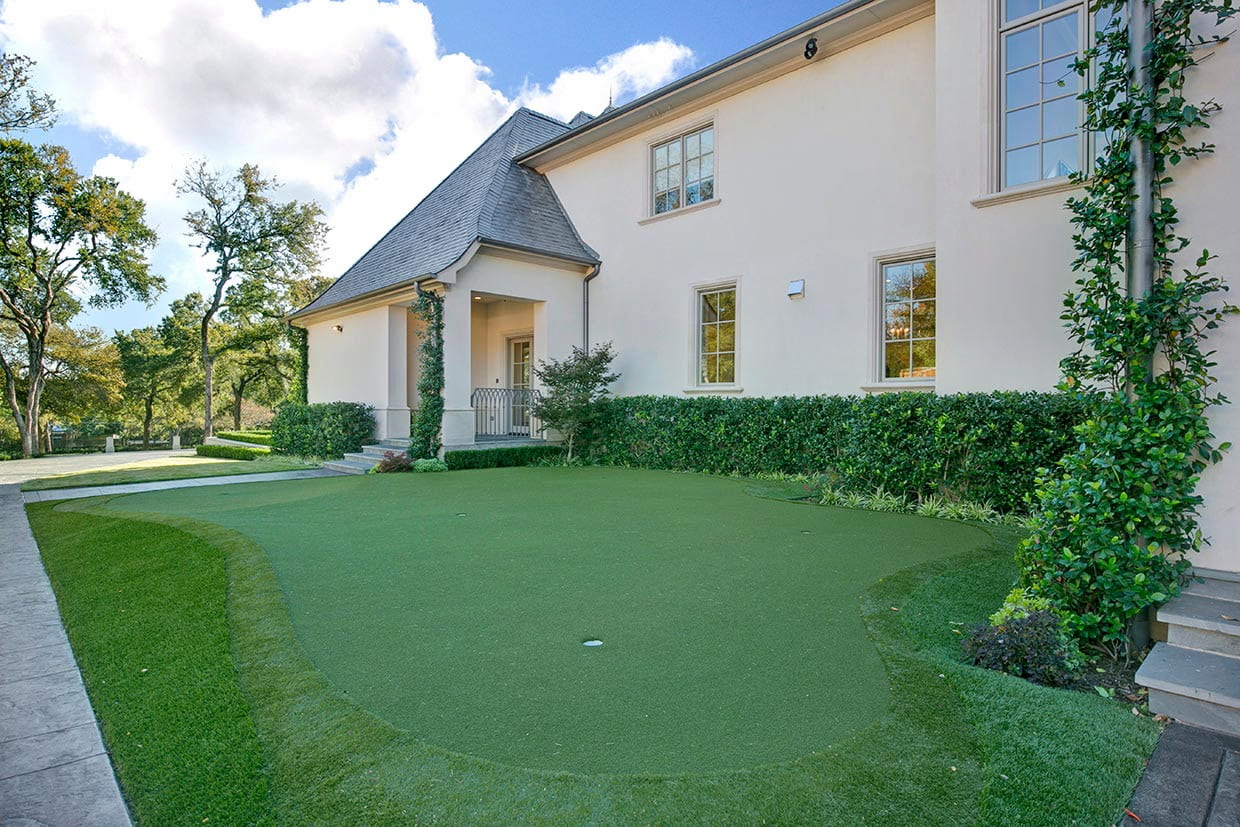
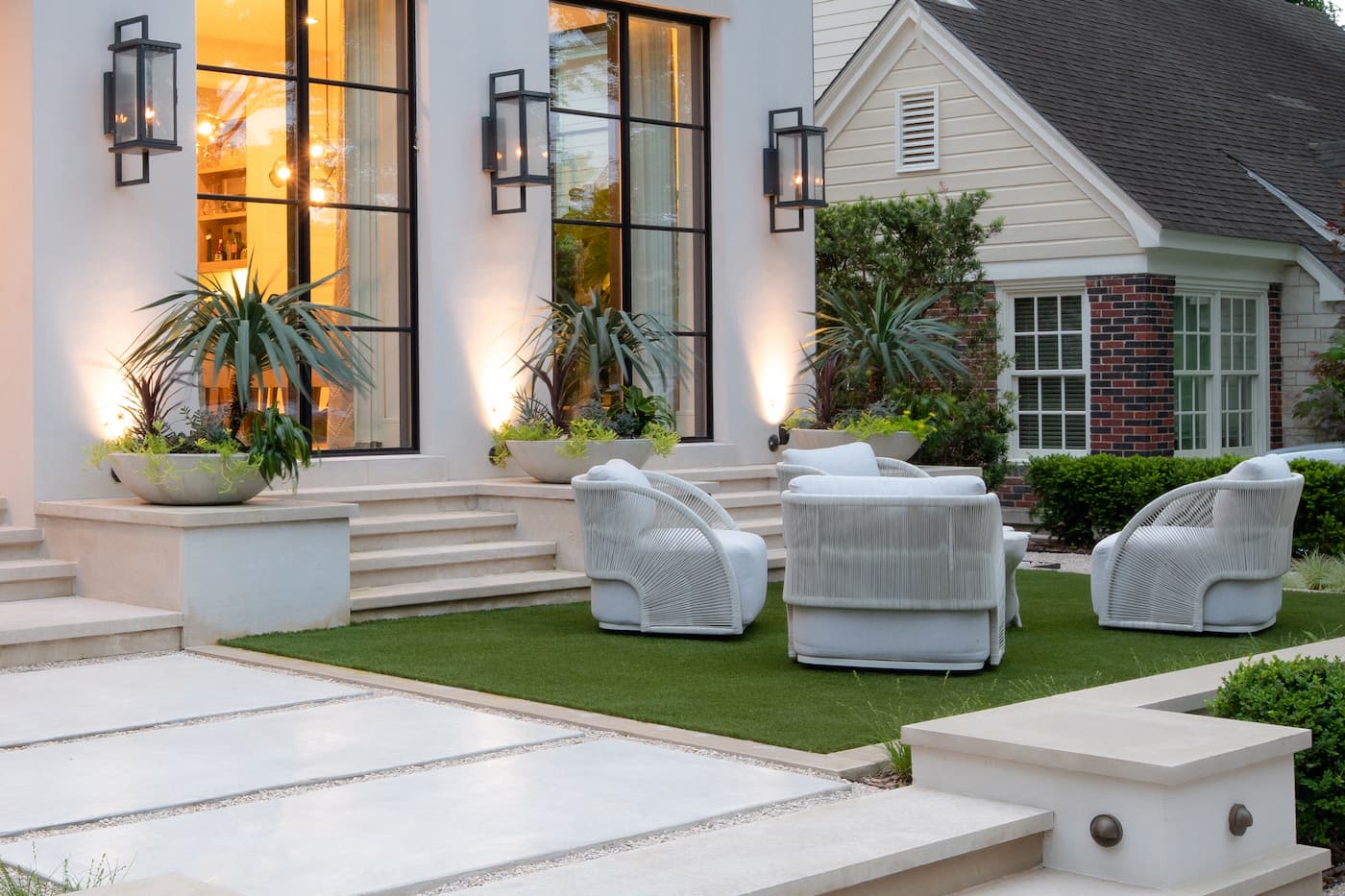
Synthetic turf installation in University Park has moved well past the novelty category. On the types of high-traffic or low-light areas where natural grass simply won't establish and maintain — shaded side yards, narrow passages between structures, heavily used backyard play areas, and putting green applications — it is now the practical first choice rather than a compromise. The key is treating it as a designed element rather than a patch solution. When it is properly graded, edged against adjacent hardscape or planted beds, and matched in tone to the surrounding yard, it reads as intentional. Work done on synthetic turf in University Park and the neighbouring community of synthetic turf in Highland Park reflects the same design principles: the installation is part of the landscape, not applied on top of it.
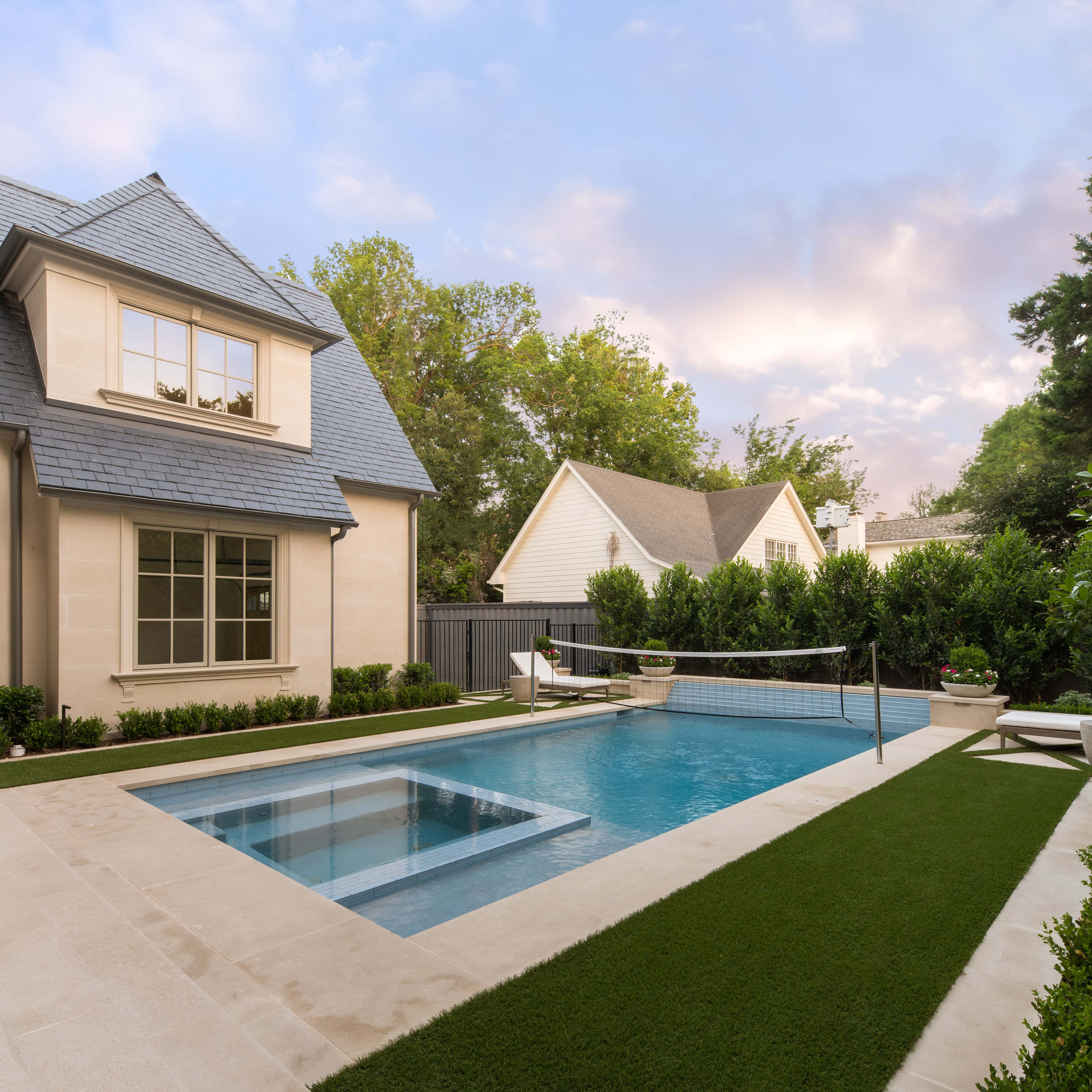
One practical note for University Park specifically: the mature tree canopy that defines so many of these properties also creates exactly the conditions where turf struggles most — deep shade, root competition close to the surface, and low moisture near trunks. These are the locations where synthetic performs best as a design solution, allowing the tree to remain the visual anchor of the yard without a perennial battle to keep grass alive underneath it.
The Timing Question: When to Start a Landscape Project in University Park
DFW has two strong planting windows — spring (March through May) and early fall (September through October). These are the periods when soil temperatures support root establishment before the stress of summer heat or winter dormancy. For University Park specifically, the spring window also aligns with when outdoor living spaces start being used again after winter, which means a project that starts and completes in March or April is delivering results during the months they're most visible and most used.
Projects that involve significant grading or drainage work benefit from being scoped and scheduled before the spring window opens, so that the ground preparation is complete before planting begins. Trying to address drainage after plantings are in place is possible, but it is more disruptive and typically more expensive than doing it in the right sequence from the start.
Frequently Asked Questions About Landscaping in University Park
Do University Park's deed restrictions affect what I can do with my landscaping?
University Park enforces city codes and neighbourhood standards that govern elements like fence heights, tree removal, and structural additions close to property lines. For landscaping specifically — planting beds, lawn materials, grading, and drainage — the restrictions are generally less prescriptive than the building codes that govern structures. That said, any project involving significant tree removal, large grading changes, or work in the right-of-way adjacent to the street should be reviewed against current city guidelines before work begins. The city's community development department is the authoritative source for current requirements, and reputable landscape contractors working regularly in University Park will already be familiar with the applicable standards.
How do I know if my University Park yard has a drainage problem that needs to be addressed before landscaping?
The clearest indicators are visible after rainfall: pooling water that takes more than a few hours to absorb near the foundation or at low points in the yard, water intrusion near doorways or below-grade structures, and planting beds that develop waterlogged soil after moderate rain. Subtler signs include foundation cracking consistent with soil movement, soft or spongy spots in the lawn during dry periods (indicating a layer of retained moisture below the surface), and established plants that show stress despite adequate irrigation — often a sign that water is collecting at root level rather than draining. A site assessment before design begins will surface these conditions, and the resulting drainage plan becomes part of the landscape design rather than a separate project.
What types of plants and groundcovers hold up best in University Park's shaded areas?
The most reliable performers under established tree canopy in University Park conditions are plants adapted to low light, intermittent moisture, and root competition. Mondo grass and liriope establish well and require minimal maintenance once in. Cast iron plant and holly ferns handle deep shade reliably. Turk's cap and inland sea oats both perform in part-shade to full-shade situations and are well-adapted to North Texas clay. For areas where even these plants struggle — typically directly under low, dense canopies where root competition is heaviest — synthetic turf or a designed bed of decorative gravel and mulch with containerised plantings is often the more practical long-term answer than attempting to establish groundcover that will require repeated replacement.
Outdoor Concepts works regularly in University Park and across the Park Cities. If you're planning a landscape project and want to start with a realistic assessment of your site's constraints — the tree canopy, the soil profile, and the drainage — call (214) 814-1081 or visit our University Park service area page to learn more about the work we do in this area.
Similar Topic